
Find Your Way to a New Way of Learning!
5/14/2026
Many young adults struggle in traditional school environments, even though they may be intelligent, capable, creative, and full of potential. For some students, the issue is not a lack of ability. The issue may simply be that they learn differently. Maybe academics is not their strength; but they certainly do have their own set of strengths!
This is especially true for young adults with mild to moderate cognitive disabilities, learning differences, executive functioning challenges, ADHD, autism spectrum profiles, or other “invisible disabilities.” These young adults may appear typical on the outside, yet internally struggle significantly with academics, motivation, confidence, emotional regulation, communication, or direction.
Traditional educational environments often emphasize lectures, testing, sitting still, and abstract learning. While that works well for some students, others thrive when learning becomes active, practical, visual, social, and hands-on.
At Dharma Dreams Vocational Center, we believe many young adults are far more capable than traditional systems allow them to show.
What Is a Hands-On Learning Environment?
A hands-on learning environment focuses on learning through action, experience, repetition, and practical application rather than lecture-based instruction alone.
Students may learn through:
- vocational training
- project-based learning
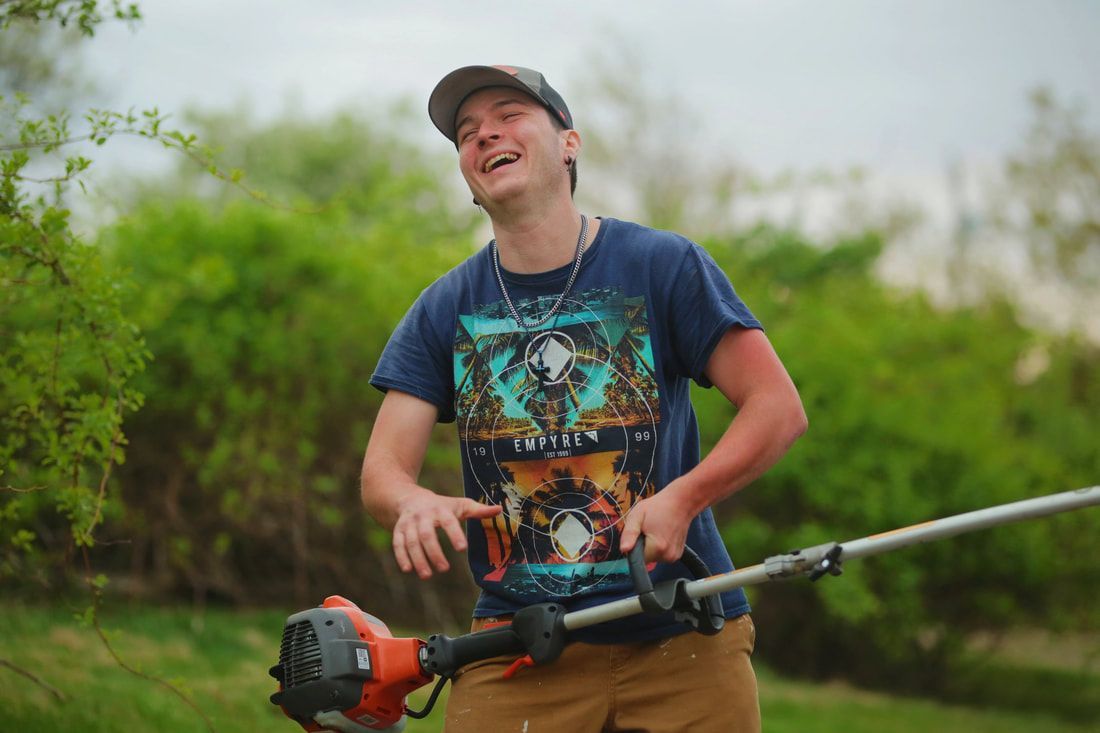
- landscaping and property maintenance
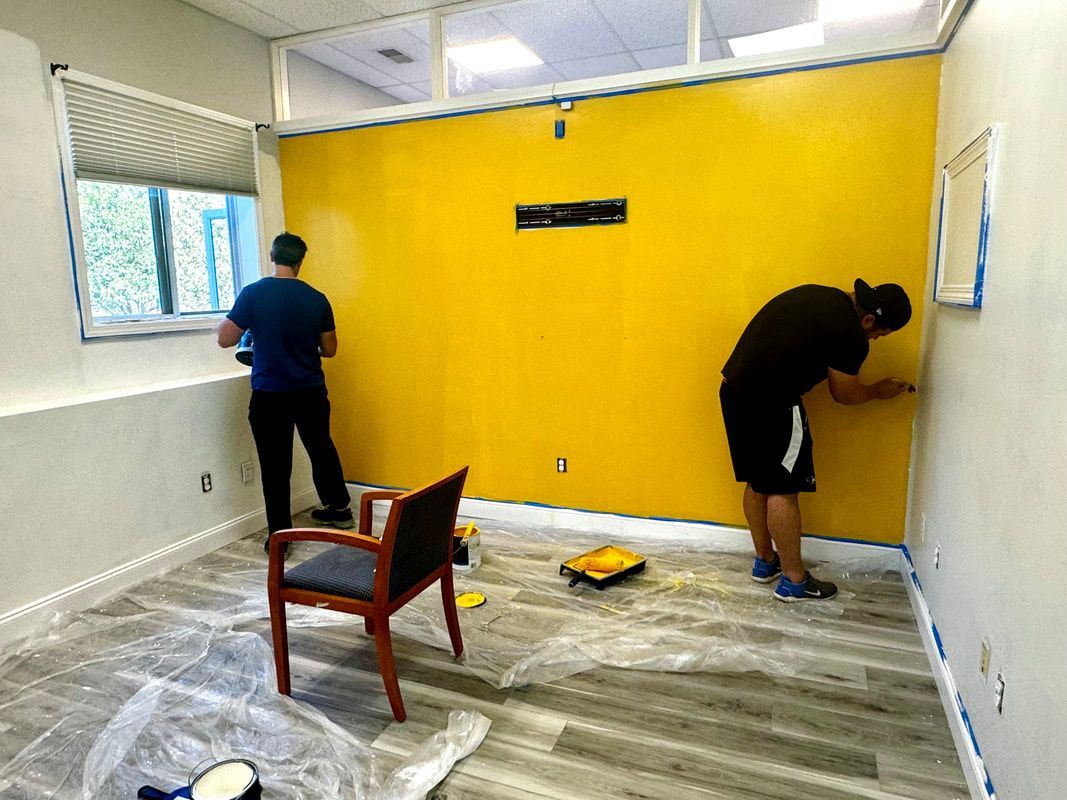
- painting and surface preparation
- light carpentry and handyman projects
- teamwork and real-world problem solving
- movement and physical activity
- experiential learning
Hands-on vocational programs often help students build confidence because they can see the results of their work immediately and experience real accomplishment.
Signs a Young Adult May Need a Hands-On Learning Environment
1. They Struggle in Traditional Academic Settings. Some young adults simply do not thrive in lecture-heavy or highly academic environments.
You may notice:
- difficulty staying engaged in class
- frustration with worksheets or testing
- poor motivation in school
- anxiety around academics
- feeling overwhelmed by traditional learning methods
This does not necessarily mean a student lacks their own kind of intelligence. Many students have strengths that are not fully recognized in traditional classrooms.
2. They Learn Better by Doing. Some young adults understand concepts much more effectively when they can physically participate in the learning process.
For example:
- building something
- using tools
- working outdoors
- practicing skills repeatedly
- seeing visual or physical results
These students may retain information far better through real-world application than through reading or lectures alone.
3. They Have Strong Practical or Visual Skills. Howard Gardner’s Theory of Multiple Intelligences suggests that intelligence exists in many forms, not just academic or linguistic ability.
Some young adults may have strengths in:
- bodily-kinesthetic intelligence
- visual-spatial intelligence
- interpersonal intelligence
- practical problem-solving
- mechanical understanding
- creative thinking
Traditional schools often reward only a narrow range of abilities. As a result, students with strong hands-on or practical skills may begin to believe they are “bad at learning” when they actually learn differently.
4. They Feel Stuck, Unmotivated, or Lacking Direction. Many parents describe their young adult as:
- capable but stuck
- unsure of what comes next
- disconnected from school or work
- spending too much time isolated or inactive
This often happens when a young adult has not yet found an environment where they can experience success and confidence.
Hands-on vocational training can help create momentum by giving students:
- meaningful responsibilities
- visible accomplishments
- structure and routine
- opportunities to contribute
5. Confidence Has Been Damaged by Repeated Struggles.
Many young adults with cognitive, learning, or invisible disabilities experience years of frustration, discouragement, and feeling left behind.
Even within supportive special education environments, students may become discouraged when:
- the work feels repetitive year after year
- expectations remain limited
- they feel underestimated
- they compare themselves to peers who appear to be progressing more quickly toward independence, college, careers, or adulthood
Over time, many students begin internalizing the belief that they are:
- behind
- incapable
- different in a negative way
- not moving forward in life
They may hear messages such as:
- You just need to try harder
- You are smart, so why are you struggling?
- You seem fine
- Maybe this just isn’t for you
- You need more support than others
- Let someone else handle that
Even when well-intentioned, repeated experiences of struggle, limitation, or comparison can significantly impact confidence, motivation, and self-worth.
Many young adults are not lacking ability. They may simply need:
- a different learning environment
- more meaningful opportunities
- practical, hands-on experiences
- real responsibility
- the chance to build confidence through accomplishment rather than constant evaluation
A supportive vocational environment can help students begin seeing themselves differently, not through the lens of limitation, but through capability, growth, and progress.
7. They Need Opportunities to Build Independence. Many families worry about:
- what happens after age 22
- employment opportunities
- long-term independence
- social isolation
- lack of confidence
A hands-on vocational program can help students begin developing:
- practical life skills
- workplace habits
- emotional regulation
- social confidence
- greater independence
Students often benefit from being surrounded by peers with similar interests, challenges, and goals while working together in a supportive environment.
Invisible Disabilities and Unseen Potential
Many young adults live with invisible disabilities. Their struggles may not always be immediately obvious to others, yet the impact on daily life can be significant.
While a disability may be described clinically as “moderate,” the emotional and practical challenges may feel much greater than moderate for both the student and their family.
Traditional systems often focus heavily on weaknesses, deficits, and what students are not doing well. At Dharma Dreams Vocational Center, we believe strengths deserve equal attention.
Some students are not failing. They are simply not being reached.
Confidence Through Accomplishment.
One of the most important aspects of a hands-on vocational program is that confidence grows through doing.
Students begin building confidence when they:
- complete projects
- contribute to a team
- solve real problems
- use tools and equipment safely
- create visible results
- experience success consistently
This type of learning can help young adults begin seeing themselves differently, not as incapable, but as individuals with strengths, value, and potential.
Finding the Right Environment Matters.
Not every young adult thrives in the same environment. Some students need:
- movement instead of sitting still
- practical learning instead of abstract instruction
- hands-on experiences instead of lectures
- support and encouragement instead of constant comparison
The right environment can make an enormous difference in confidence, motivation, skill development, and future direction.
At Dharma Dreams Vocational Center, our goal is to help young adults ages 18–26 build confidence, practical skills, independence, and purpose through supportive, hands-on vocational experiences in areas such as:
- landscaping
- hardscaping
- painting
- wallpapering
- property maintenance
- light carpentry and handyman work
We believe every young adult deserves the opportunity to discover what they are capable of.
If your son or daughter seems capable but stuck, discouraged by traditional environments, or unsure of their next step, a hands-on learning environment may provide the structure, support, and opportunity they need to begin moving forward.
0 Comments